 Cari ...
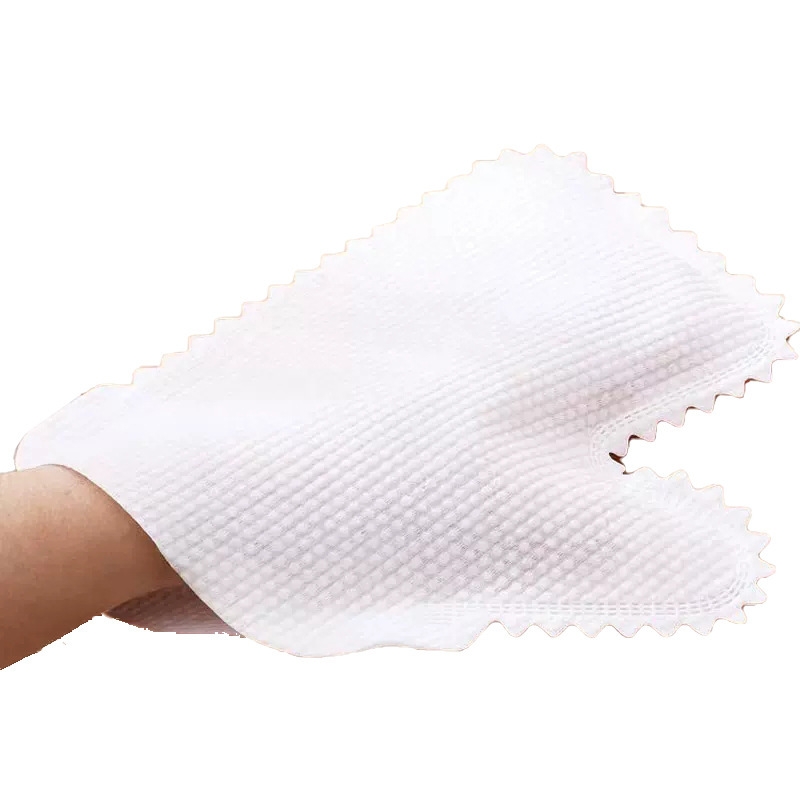
Lap pembersihan rumah yang boleh dibuang lembut lembut

Making wet wipes is not a mysterious process. You need a fibrous substrate, a liquid formulation, and a way to keep them moist and clean. Whether you are making a small batch for your diaper bag or running a production line for a retail brand, the essential steps are the same. As a manufacturer of nonwoven wet wipes, we break down the process for both home users and commercial buyers.
In short, the answer to “how do you make wet wipes” is: choose a base material that absorbs well, prepare a solution that is safe for the intended surface, saturate the material evenly, and seal it in an airtight container.
Wet wipes are a combination of a nonwoven fabric and a liquid solution. The fabric provides the cleaning or wiping function, while the solution drives the performance. A common misconception is that any absorbent paper can work. In reality, the strength, softness, and absorption rate of the substrate determine how well a wipe performs when wet.
Below is a comparison between homemade and commercial wet wipes. It highlights the differences you should consider if you are planning to either make your own or purchase from a supplier.
| Aspect | Homemade Wipes | Factory-Made Wipes |
|---|---|---|
| Base material | Paper towels or cotton cloth | Spunlace nonwoven with controlled grammage |
| Saturation | Manual pouring, uneven | Automated impregnation, uniform |
| Preservation | Short shelf life, refrigeration advised | Preservative system tuned to product type |
| Packaging | Sealed jar or container | High-speed packaging with tamper evidence |
| Consistency | Varies batch to batch | Statistically controlled production |
Commercial production uses nonwoven materials that are specifically engineered for wet use. They must not tear during wiping, hold enough liquid, and remain comfortable on skin.
Homemade wet wipes can be useful for occasional needs, but they are not a perfect substitute for commercial products because they lack preservatives and consistent saturation. If you want to try it, here is a straightforward method.
For household cleaning wipes, you can replace the coconut oil with a small amount of white vinegar to boost degreasing power. For personal wipes, keep the formula gentle and unscented. To learn more about how nonwoven materials behave differently from woven cloth, see how nonwoven cleaning cloths differ from traditional woven cloths .
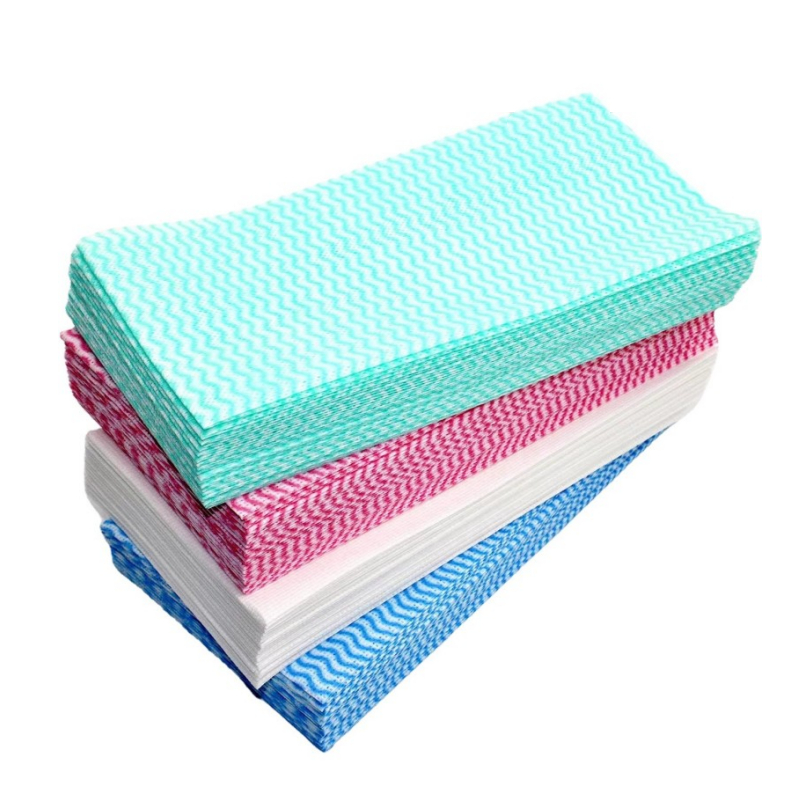
Commercial wet wipe production is a controlled process. At our factory, we use spunlace nonwoven, which is made by entangling fibers with high-pressure water jets. This gives the fabric strength and softness at the same time. We maintain multiple production lines to keep up with orders for household, personal care, and pet care products.
The base material is usually a blend of viscose and polyester. Viscose improves absorbency and softness, while polyester adds strength and prevents the wipe from breaking apart. The weight of the fabric, measured in grams per square meter, is chosen based on the application. A baby wipe may use a lighter, softer fabric, while a heavy-duty cleaning wipe needs a heavier, more durable one.
The liquid formula is prepared in large tanks. It contains water, surfactants, humectants, preservatives, and sometimes antimicrobial agents. The pH level is adjusted to match the target use. For example, baby wipes are formulated to be pH-neutral and free of alcohol and fragrances. For disinfecting wipes, the formula includes an appropriate antibacterial agent with a validated contact time.
The nonwoven roll is unwound and passed through an impregnation bath where the liquid is applied at a controlled ratio. The saturated material then moves through rollers that regulate thickness and liquid distribution. Next, it is cut and folded into individual sheets or left as a continuous roll, depending on the packaging format.
Once the wipes are measured and stacked, they are placed into plastic refill packs or canisters. The sealing step is critical because oxygen and moisture loss affect the shelf life. Modern packaging lines use heat-sealing and tamper-evident closures to keep the wipes moist until the customer opens the package.
Not all wet wipes are the same. A formula that works well for kitchen grease may irritate a baby’s skin, and a gentle facial wipe will not degrease a car interior. Buyers need to match the product to the use case.
| Type | Primary Use | Key Feature |
|---|---|---|
| Baby wipes | Diaper changes and skin cleaning | Fragrance-free, pH balanced |
| Facial wipes | Makeup removal and face cleansing | Soft, non-irritating |
| Pet wipes | Grooming and deodorizing | Low allergy, quick drying |
| Household wipes | Kitchen, bathroom, and surface cleaning | Degreasing, antibacterial |
For sensitive skin, a well-formulated baby wipe is a reliable choice. Our baby wipe line is designed to be gentle and moisturizing without leaving a sticky residue.
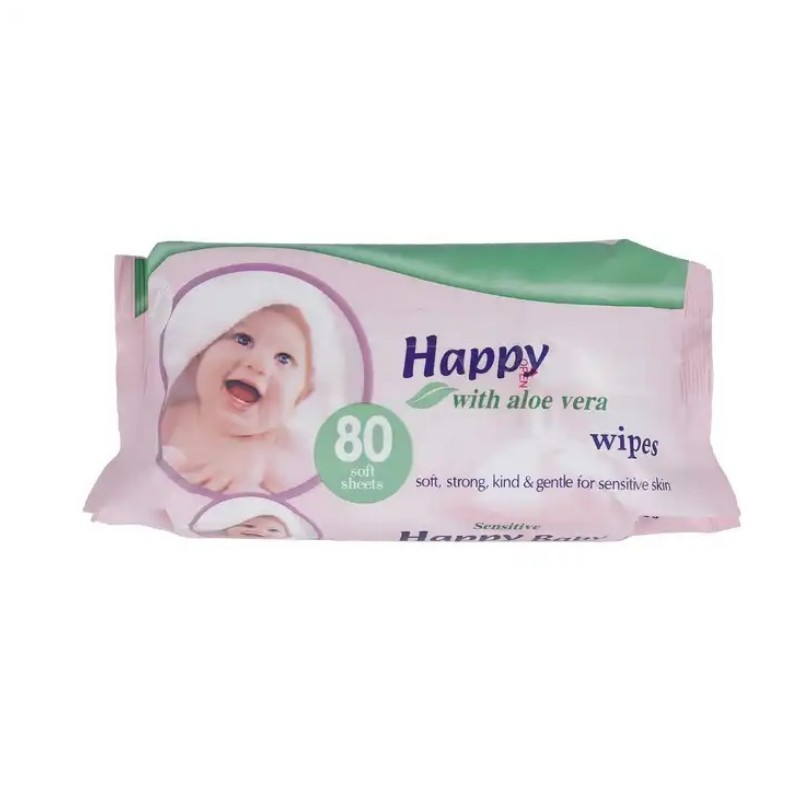 Gentle Moisturizing Baby Wipes for Sensitive Skin These fragrance-free baby wipes are infused with aloe vera and vitamin E, making them ideal for delicate newborn skin. They offer gentle cleansing without irritation, suitable for diaper changes and everyday use. View Product →
 For adults who need a quick face-cleansing option, our viscose-polyester facial wipe offers a soft, lint-free experience for makeup removal and everyday cleanliness.
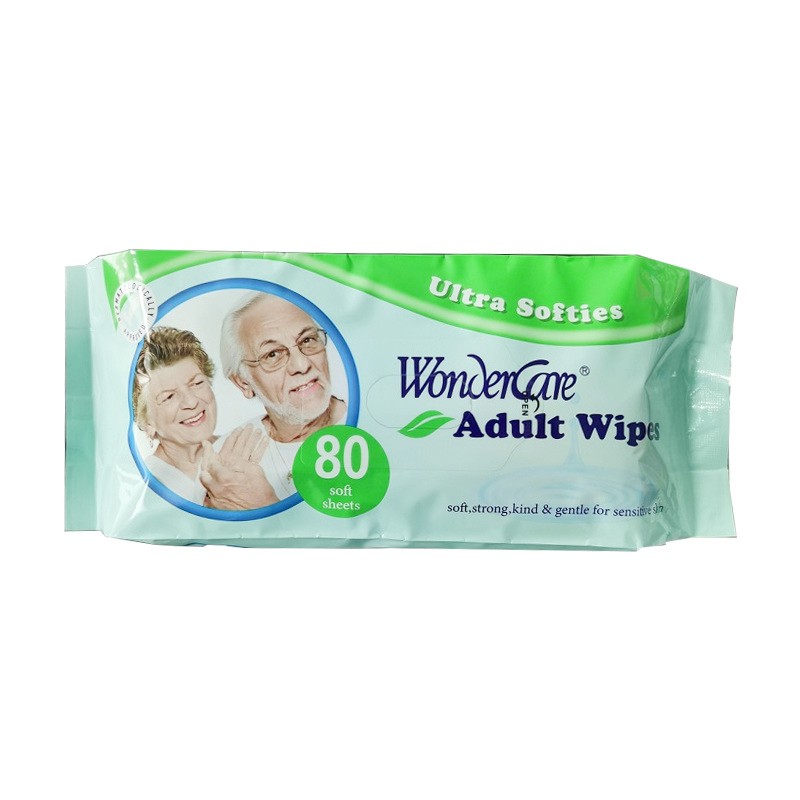 Soft Viscose-Polyester Adult Wipes for Face and Body These nonwoven adult wipes provide a soft, lint-free cleaning experience for face and body. They are gentle on all skin types, making them a convenient option for quick refreshment at home or on the go. View Product →
 For retailers and brand owners who need a versatile product that can be customized for different markets, our customizable wet wipes are available for adults and kids, with adjustable formulations and packaging options.
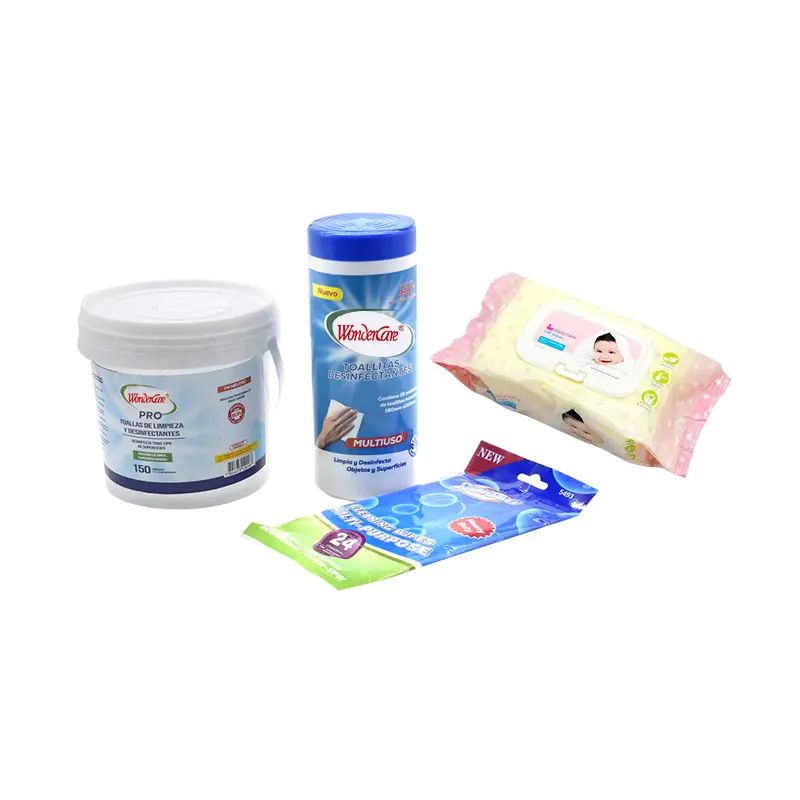 Antibacterial Hypoallergenic Customizable Wet Wipes These antibacterial wipes are safe for both adults and kids, eliminating 99.9% of germs while remaining gentle. With customizable options like scent and packaging, they suit various retail needs and daily hygiene routines. View Product →
 Whether you are making wipes at home or sourcing them for a retail brand, there are several pitfalls that can harm the result.
Wet wipe production is a balance of material science, chemistry, and packaging engineering. If you are making them at home, accept the limitations and use the batch quickly. If you are sourcing them for commercial use, choose a supplier who can control the substrate quality, the liquid formula, and the packaging process. That is exactly what we do at JIAXING HONGJIE COMMODITY Co., LTD. We are a nonwoven product manufacturer with a focus on wet wipes and cleaning products, serving customers around the world.
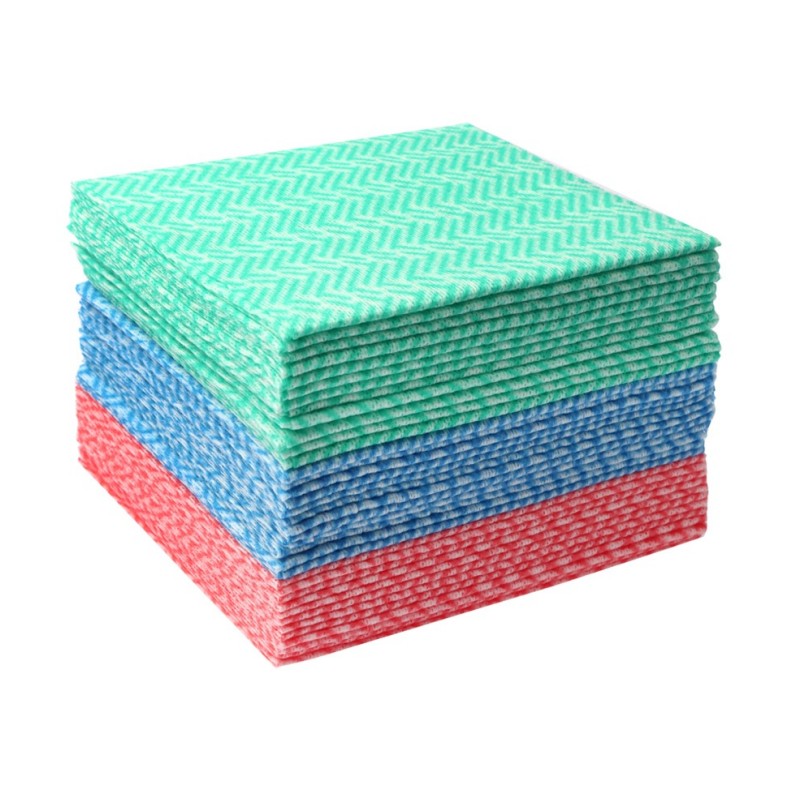
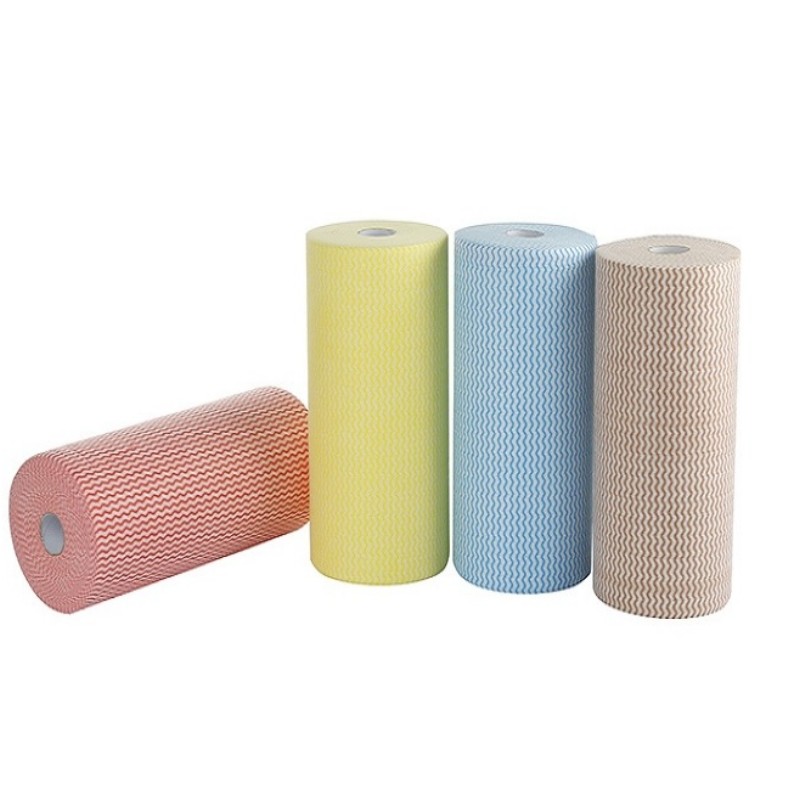
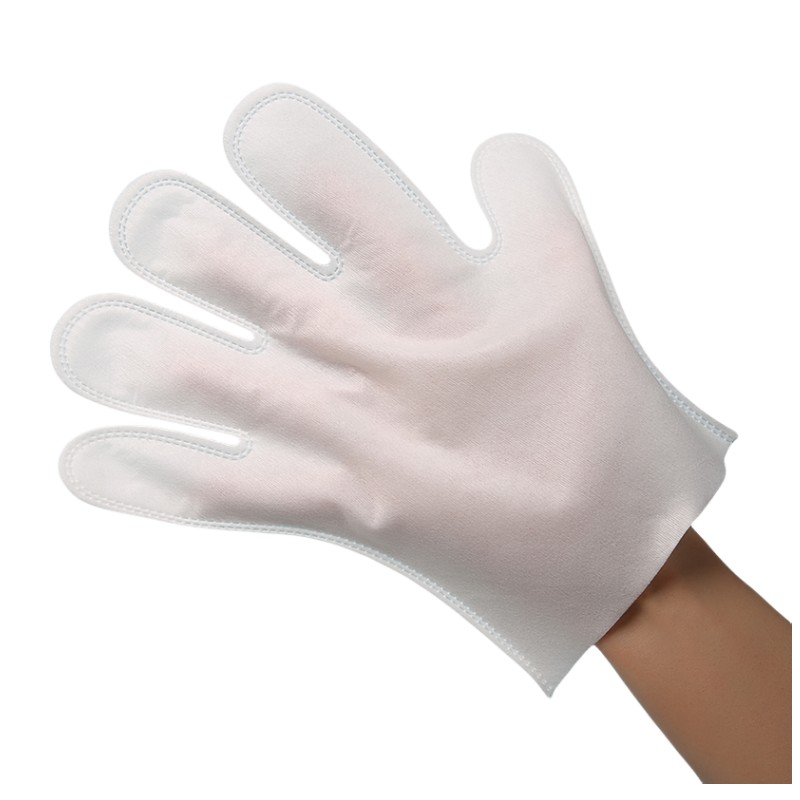
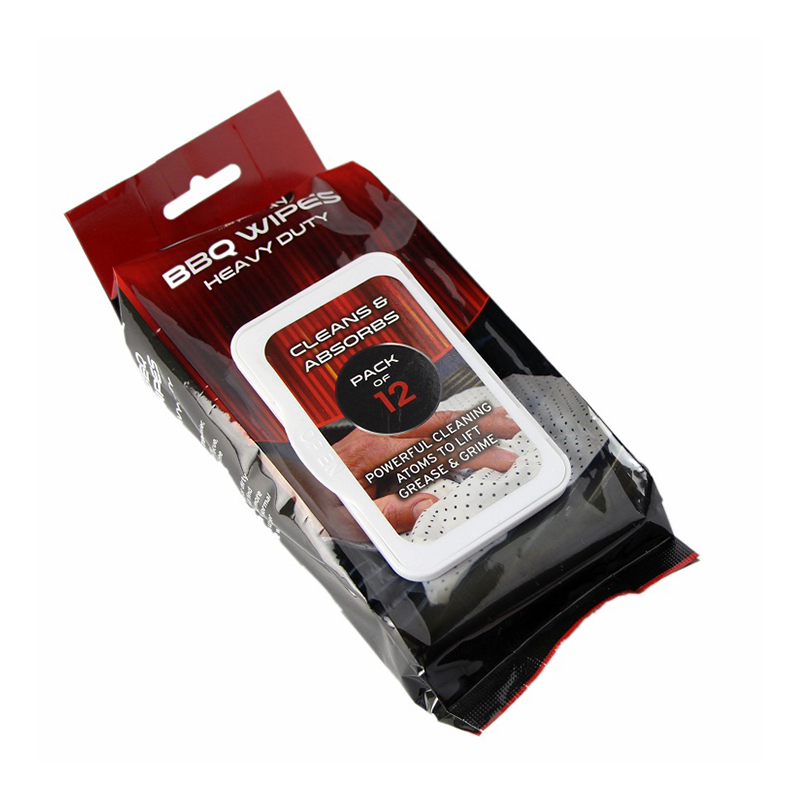

Jiaxing Hongjie Commodity Co., Ltd is located near Shanghai and Hangzhou in Jiaxing City, Zhejiang Province, China. We are trading& manufactory company. our factory and office are in Jiaxing city.

Kilang Tambah: Tingkat 3, Bldg 3, No.379 Ziyu Road, Daqiao Industrial Zone, Jiaxing, Zhejiang, China.

+86-573-82313085

+86-573-82091210

Hak Cipta © Jiaxing Hongjie Commodity Co., Ltd
The information provided on this website is intended for use only in countries and jurisdictions outside of the People's Republic of China.
